



Agriculture Support Activities
Restoring livelihoods, strengthening food security, and rebuilding dignity for displaced communities.
Introduction
When families are forced to flee their homes, they leave behind more than land—they lose their source of food, income, stability, and identity. For many refugees and displaced families, farming is not just a livelihood; it is life itself.
In the midst of uncertainty and hardship, the Refugees Agency for Recovery and Rebuilding (RARR) stepped forward with a simple but powerful belief: when people are given the tools to grow their own food, they begin to rebuild their dignity, independence, and hope.
In 2025, within the challenging conditions of displacement, RARR implemented a comprehensive Agriculture Support Activities project designed to help refugee and vulnerable communities move from dependency to self-reliance. This initiative was not just about farming—it was about restoring control, rebuilding lives, and creating a pathway toward sustainable recovery.
What We Did
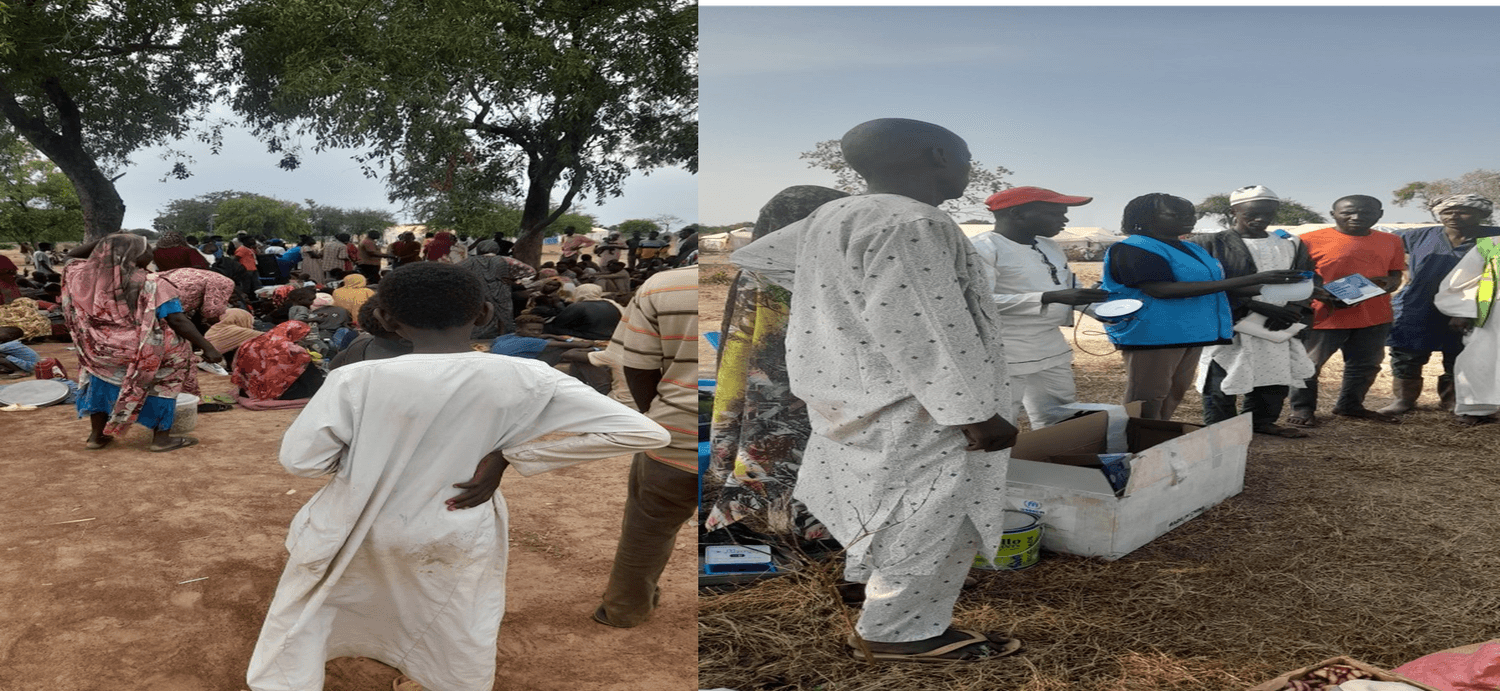
The Agriculture Support Activities project was implemented in Wedweil Refugee Settlement, where hundreds of families were struggling with food insecurity and limited access to livelihood opportunities.
This initiative was designed as a full agricultural cycle intervention, covering every stage from preparation to harvest:
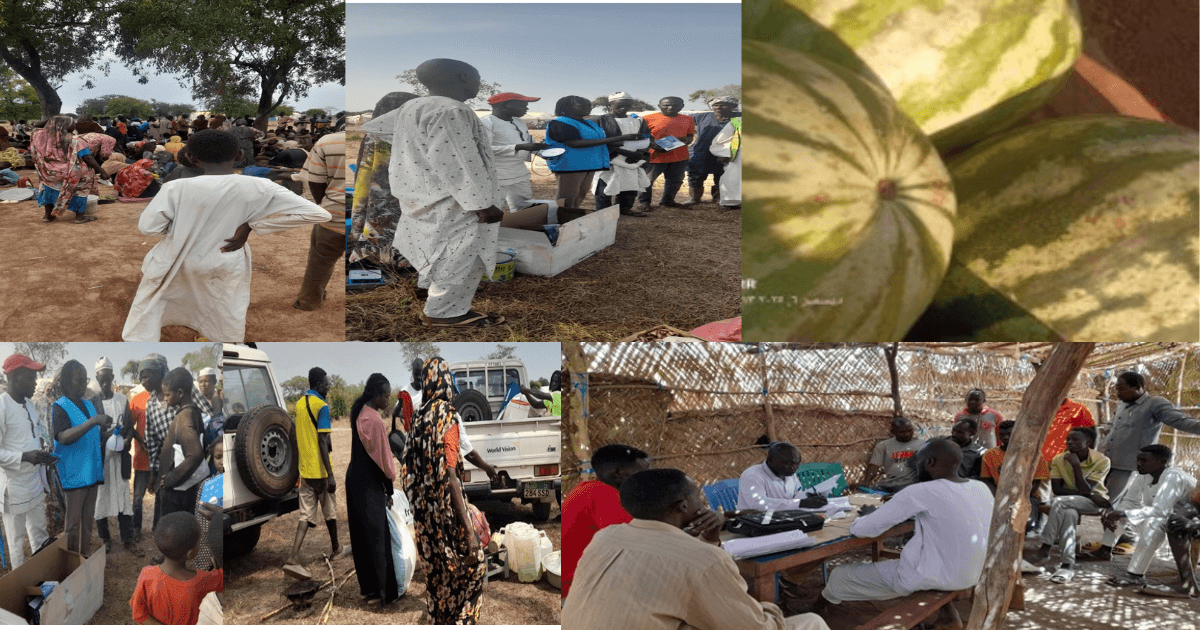
Farmer identification and registration
Land assessment and preparation
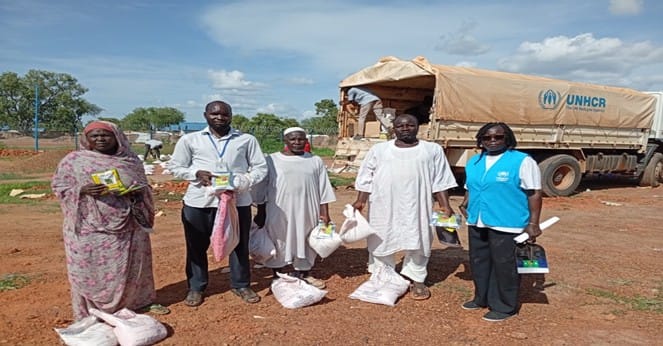
Distribution of seeds and farming tools
Crop planting and field support
Harvest evaluation and learning
Through this structured approach, RARR ensured that support was not temporary—but sustainable and empowering.
How the Project Happened
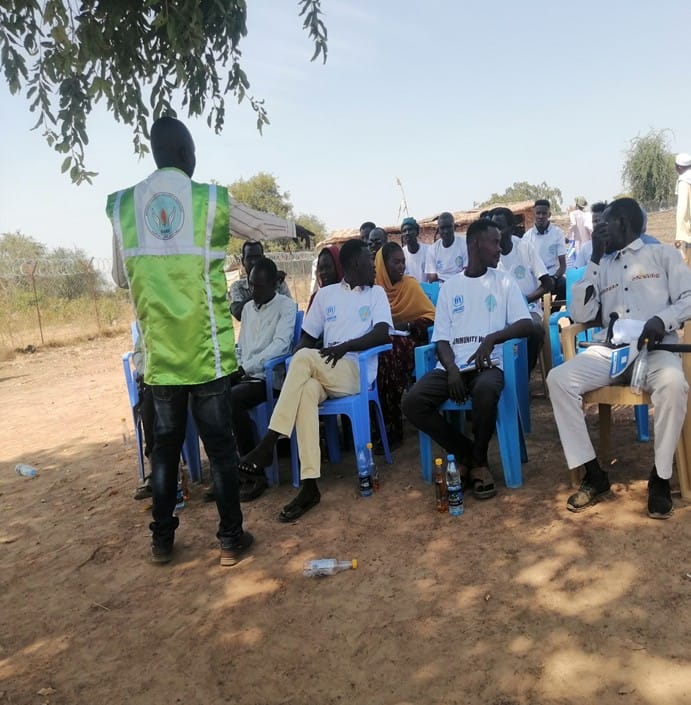
1. Farmer Registration (February – May 2025)
The project began with one of the most important steps—identifying and registering farmers.
RARR worked closely with the community to identify individuals and families who had farming experience or interest. The registration process ensured:
Fair selection of beneficiaries
Inclusion of vulnerable households
Proper planning for resource distribution
During this phase, farmers were grouped based on support systems and coordination structures, ensuring efficient implementation of later activities.
This was more than a registration process—it was the foundation of trust between the organization and the community.
2. Agricultural Land Survey
Before any planting could begin, RARR conducted a detailed land survey.
This phase aimed to:
Assess soil quality
Identify suitable farming areas
Understand environmental conditions
Plan crop suitability
The findings were promising. The land showed moderate to high fertility, meaning that with proper management, it could produce strong yields.
This step was critical—it ensured that efforts would not be wasted and that farmers had the best possible chance of success.
3. Distribution of Agricultural Land
Following the survey, land was distributed to registered farmers.
Each farmer received access to agricultural plots, allowing them to begin cultivation. The distribution included:
Accessible land near settlements
Allocation based on family size and capacity
Fair and transparent distribution process
For many families, this was the first time since displacement that they had land to call their own again.
4. Seed Distribution
Seeds represent possibility. They are small, but they carry the promise of food, income, and survival.
RARR distributed a variety of seeds to support diverse crop production, including:
Maize
Sorghum
Vegetables
Onions
Okra
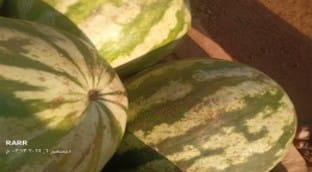
Watermelon
Squash
Pumpkin
This diversity ensured:
Nutritional balance
Risk reduction in case of crop failure
Opportunities for income generation
Each seed given was not just a resource—it was an investment in the future of a family.
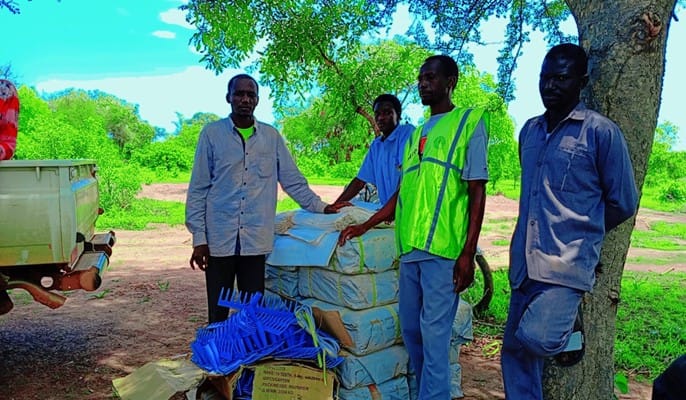
5. Distribution of Farming Tools
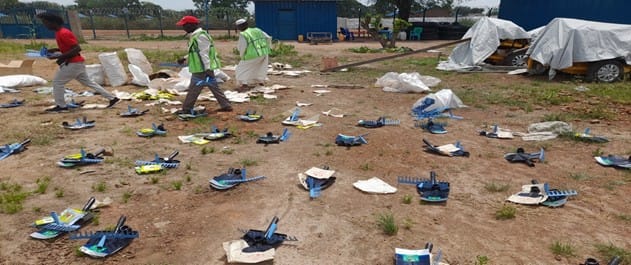
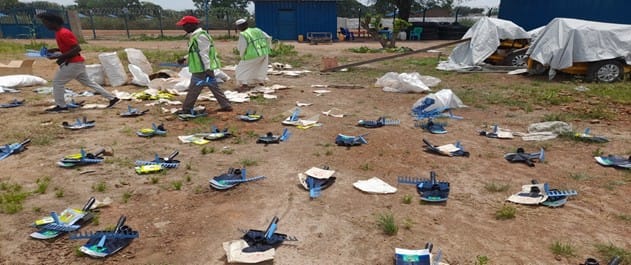
Alongside seeds, farmers received essential tools required for effective cultivation:
Hoes
Rakes
Axes
Hand plows
Sieves
Plowshares
Without tools, land cannot be transformed. With tools, farmers regain their ability to work, produce, and provide.
This phase restored something deeper than productivity—it restored confidence and independence.
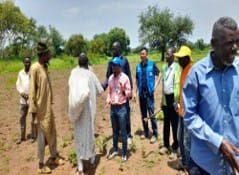
7. Crop Planting
With land ready and seeds in hand, farmers began planting.
This phase included:
Practical guidance on planting techniques
Timing aligned with rainfall
Safe use of inputs
Community collaboration
The fields began to transform—what was once empty land became rows of growing crops.
This was a powerful moment:
hope became visible.
8. Crop Monitoring and Support
Throughout the growing season, farmers faced challenges such as:
Irregular rainfall
Limited tools
Crop damage by animals
RARR provided technical support through an agricultural expert, helping farmers manage their crops and improve outcomes.
9. Harvesting and Evaluation
The final stage was harvesting—the moment when months of effort come to life.
Although the harvest reached approximately 40% of expected production, it still represented:
Food for families
Reduced dependence on aid
Practical learning for future seasons
Even where results fell short, the experience gained was invaluable.
What Changed
The Agriculture Support Activities project achieved significant outcomes:
250 farmers supported
Hundreds of families benefited
Improved access to food
Strengthened self-reliance
Increased community engagement
Practical agricultural knowledge gained
Beyond numbers, the real impact was:
Families eating from their own land
Parents providing for their children
Communities working together
Challenges We Faced
No humanitarian project is without challenges. This initiative faced several:
Delays in seed delivery
Limited farming equipment
Irregular rainfall
Crop damage by animals
Resource constraints
Tension over land use
These challenges highlight the realities of working in crisis environments—but they also provide lessons for improvement.
What We Learned
From these experiences, RARR identified key improvements:
Deliver inputs earlier before planting season
Increase availability of tools
Establish seed storage systems
Strengthen farmer protection measures
Improve coordination with host communities
These lessons are not setbacks—they are steps toward stronger, more effective future programs.
Why This Work Matters
Agriculture is not just about food—it is about:
Independence
Stability
Dignity
Long-term recovery
When a family can grow its own food, it reduces reliance on aid and builds resilience against future crises.
This project proved that even in displacement, life can grow again.
Help Us Grow More Than Crops 🌱
Your support helps families access seeds, tools, and training to rebuild their lives with dignity, resilience, and hope.
✔ Provide seeds to a family
✔ Support farming tools
✔ Fund agricultural training
✔ Expand food security programs
Programs
Emergency Relief
Agriculture
Shelter
Protection
Livelihoods
Education
Contact
Email: sheikhadam@rarr2024.org
Phone: +211 929 274 528
Location: Wedweil Refugee Settlement, South Sudan